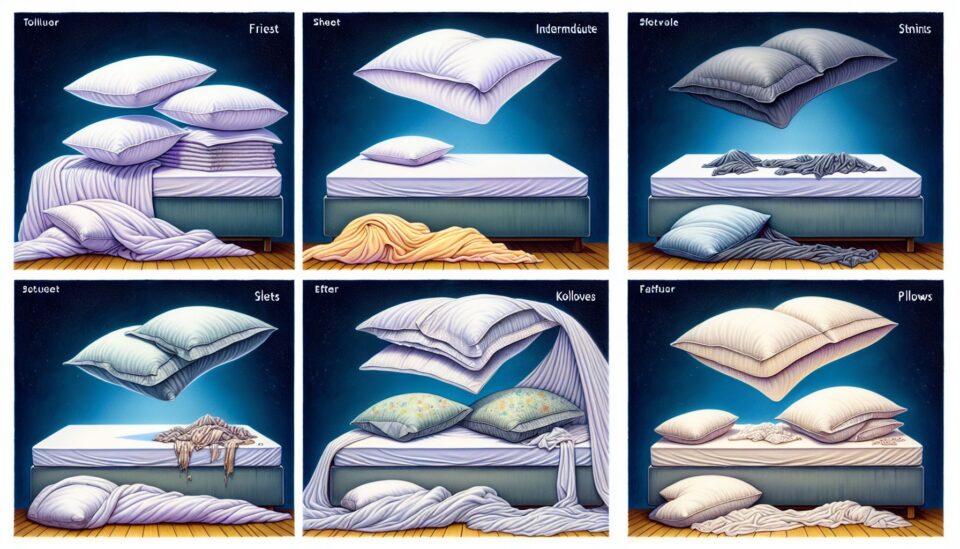
Introduction
Human bedding, specifically sheets, duvets, and pillows, degrade over time. This degradation is slow and usually unnoticed until the obvious signs begin to appear. This article explores the process and factors contributing to the degradation of bedding materials, providing valuable information for homeowners aiming to prolong the lifespan of their bedding.
Factors leading to Bedding Degradation
Use and Washing
Sheets, duvets, and pillows frequently come into contact with our skin. Dead skin cells, body oils, and sweat can accumulate on these items, leading to stains and odors. This situation necessitates regular washing, which, over time, wears down the fabric, creating thin spots, fading colors, and causing other forms of physical damage.
Pests
Home pests such as bed bugs, mites, and other microorganisms can also negatively impact bedding materials. They can burrow into the fabric, leading to tiny holes that gradually grow larger, significantly reducing the longevity of your bedding.
Environmental Factors
Exposure to sunlight can also affect the color and integrity of fabrics, leading to fading and weakening. Dampness, such as in humid conditions, can cause mold and mildew growth, leading to discoloration, unpleasant odors, and fabric breakdown.
The Degradation Process
Sheets
Sheets typically serve as the first line of defense for your bedding, coming into direct contact with your body. They degrade from repeated washing and drying, friction from body movement during sleep, and exposure to body oils and perspiration. Degraded sheets may show signs of thinning, pilling, fading colors, and tear more easily.
Duvets
Duvets may not require as much washing as sheets, but they still degrade over time. Prolonged body heat can deteriorate the duvet fill, causing it to become flat and less insulating. Washing a duvet can also cause the fill material to clump together, affecting its distribution and overall comfort.
Pillows
Pillows suffer similar degradation to duvets, losing their volume and fluffiness over time. Body oils and perspiration affect both the pillow casing and the stuffing material, leading to discoloration and a potential buildup of allergens such as dust mites. Washing pillows, especially foam-filled ones, can make them less supportive and more likely to develop clumps.
Steps to Prolong Bedding Life
Despite the inevitability of bedding degradation, there are measures you can take to prolong their life. These include:
- Regular cleaning, following the manufacturer's instructions to minimize damage.
- Immediate treatment of spills and stains to prevent permanent discoloration.
- Alternating sets of sheets to give each set a break and reduce wear and tear.
- Limiting direct exposure to sunlight and using dehumidifiers in damp conditions.
- Using pillow and mattress protectors that can guard against stains and pest infestation.
In summary, the degradation of sheets, duvets, and pillows is inevitable due to daily wear and tear, regular washing, and environmental factors. Understanding this process and the measures to slow it down can help extend the lifespan of these items, saving you replacement costs and ensuring a comfortable night's sleep.