Skip to content

Buying a mattress involves a decision that many people face in Ontario and surrounding regions. The choice between online mattress buying and in-store shopping often reflects different priorities, habits, and expectations. Both methods carry distinct trade-offs influenced by local housing types, climate, and consumer behavior. This article explores these differences by clarifying practical aspects and common patterns seen in mattress shopping.

Experience and Inspection

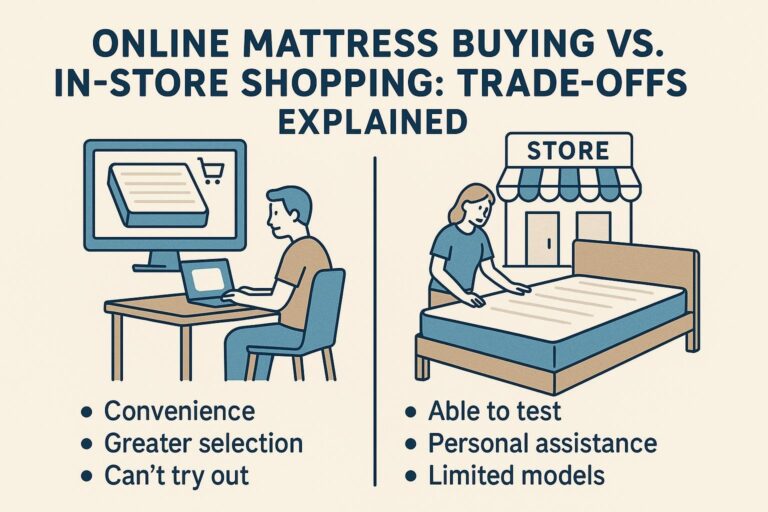
In-store shopping allows customers to physically test mattresses. Shoppers can lie down, feel firmness levels, and assess support. This tactile experience usually helps some individuals better understand how a mattress reacts to their body. In regions like Toronto or Ottawa, where seasonal temperature and humidity fluctuate, people may also check mattress breathability and material comfort firsthand.

Online mattress buying removes this immediate physical inspection. Customers rely on product descriptions, photos, videos, and user reviews. This lack of direct contact means buyers must trust how well the website conveys material characteristics like foam density or spring type. For many, this can feel uncertain or incomplete, especially for those with specific comfort needs.

Convenience and Timing

One of the common appeals of online mattress purchasing is convenience. Buyers can browse products at any hour, compare different models, and place orders without leaving home. This feature can matter in suburban areas of Ontario where retail locations may be farther apart or require travel. Additionally, online orders may arrive directly to the buyer’s home, which reduces the need to transport a large and bulky item.

In-store shopping requires visiting physical locations during business hours. This involves more time commitment and planning. People in urban settings such as Hamilton or Kingston might experience easier access to mattress retailers, but this is not uniform across all regions. The effort to visit a store can deter some shoppers, especially when weather conditions are harsh in winter months.

Return Policies and Trial Periods

Return policies affect mattress purchasing experiences differently for online and store buyers. Many online mattress companies offer trial periods, often ranging from 90 to 120 days. This allows buyers to test the mattress at home and return it if unsatisfactory. These policies recognize that comfort is highly personal and may change after extended use. However, returning a mattress can involve repackaging and arranging shipment, which some buyers find complicated.

In-store returns tend to be more immediate but may come with stricter conditions. Stores might allow exchanges or returns only within a limited return window or if the mattress shows no damage. This makes some buyers hesitant to commit to an in-store purchase without extended testing at home. Return arrangements can also depend on store policy variations typical of different Ontario municipalities.

Price Comparison and Cost Factors

Online mattress models often come with lower listed prices. This is partly because online sellers often bypass some overhead costs like rent and sales staff salaries. Discounts and promotions tend to reflect this difference. Buyers in the Greater Toronto Area or Ottawa might notice these apparent savings.

However, online orders can have additional expenses such as delivery fees, taxes based on the final destination, or costs related to returning a mattress. In-store prices may appear higher but sometimes include free delivery or setup services. The total cost comparison can vary depending on local factors and retailer terms.

Mattress Variety and Information Access

Shopping online offers access to a wider variety of mattress brands and models. Many small or direct-to-consumer brands operate solely online, making their products less visible in physical stores. Buyers in smaller Ontario towns might find this appealing due to limited local retail options.

On the other hand, in-store displays allow buyers to see multiple mattress options side by side. Staff in stores can explain materials and features in person, although this also varies by retailer expertise. Online shoppers rely on product specifications and third-party reviews to gather knowledge, which can sometimes be overwhelming or inconsistent.

Seasonal Patterns and Consumer Behavior

Shopping habits for mattresses show some seasonal trends in Ontario. For instance, in-store shopping often increases around holiday sales or long weekends, as these are common times for promotions. Online mattress interest tends to rise during colder months when people prefer shopping indoors or at home.

Housing styles impact mattress choices. Older homes with narrow stairways or limited elevator access may encourage buyers to choose mattresses that compress for easier delivery, often sold online. Newer, suburban homes with spacious interiors might make traditional mattress delivery and setup simpler, making in-store purchases more convenient.

Environmental and Structural Considerations

Mattress delivery logistics interact with local infrastructure. In dense urban locations like Toronto or Mississauga, navigating delivery trucks through busy streets or apartment buildings can add complications. Online mattress packs, often compressed and rolled, fit easily through hallways and doors, which suits these environments.

In contrast, mattresses purchased in stores might arrive fully assembled or less compressed. For Ontario's seasonal weather patterns, timing delivery during dry, mild periods helps avoid damage. Both online and in-store buyers face challenges if they live in buildings with strict move-in protocols or limited delivery schedules.

Common Misconceptions

A few common misunderstandings exist about online and in-store mattress shopping. Some people assume online mattresses are always cheaper, but adding shipping and return costs might offset initial savings. Others believe in-store shopping guarantees higher quality, but online brands vary widely in material and build quality.

It is often assumed that testing a mattress only requires a few minutes in the store. Field observations suggest that brief trials do not always reflect real-use comfort, which explains why many brands include trial periods, even when bought in person through some retailers.

Why Problems and Recalls Happen

Mattress issues, such as premature sagging or off-gassing smells, occur regardless of the purchase method. These problems often stem from manufacturing defects, storage conditions, or improper support bases. Neither online nor in-store purchases guarantee immunity from such problems.

Ontario regulations require retailers to comply with safety standards, including fire resistance and labeling. These rules apply equally to mattresses sold online or offline. Buyers should recognize that recalls or safety notices affect broad product categories and are not linked to the place of purchase alone.

Summary of Trade-offs

| Aspect | Online Buying | In-Store Shopping |
|----------------------|---------------------------------------------------------|-------------------------------------------------------|
| Physical Testing | Not possible before purchase | Immediate tactile testing possible |
| Convenience | High; shopping anytime, home delivery | Limited to store hours and location |
| Return and Trial | Extended trial periods, but complex returns | Shorter return windows, possible immediate exchange |
| Price | Often lower list price, extra delivery/return costs | Higher price, might include delivery and setup |
| Product Variety | Wide and diverse brands, some exclusive online | Limited to store inventory and brands |
| Logistic Ease | Often easier to deliver compressed mattresses | Full-size delivery may be challenging in urban areas |

Conclusion

The decision between online mattress buying and in-store shopping involves many factors. Ontario's varied housing stock and climate affect convenience and shipping, while personal comfort preferences influence how buyers value testing. Both options carry distinct advantages and limitations.

Observations show that no single approach is ideal for everyone. Online mattress buyers gain from convenience and variety but give up physical testing. In-store shoppers gain immediate interaction but sacrifice some flexibility and product range. Understanding these trade-offs helps explain ongoing trends and personal buyer choices in mattress purchasing within the region.

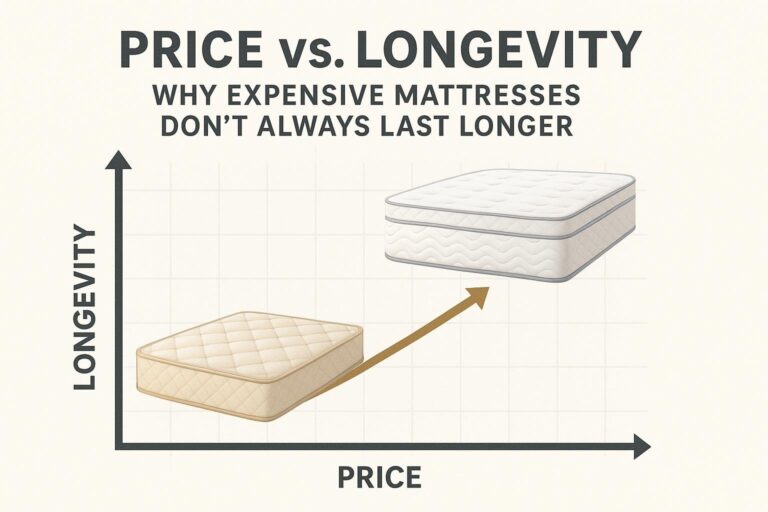
Many people assume a higher price means better durability when buying a mattress. They often believe that expensive mattresses will last longer than cheaper ones. However, this is not always true. Price and longevity do not show a straightforward connection. Various factors influence how long a mattress lasts, and cost is only one of them.

How Mattress Longevity Works

A mattress’s lifespan depends on materials, construction, usage, and maintenance. These elements affect its ability to keep shape and support over time. Generally, most mattresses last 7 to 10 years. Some may last less if used heavily or without proper care. Others last longer if built with lasting materials and used lightly.

Expensive mattresses sometimes use advanced materials like memory foam, latex, or hybrid layers. These materials can offer good comfort. However, they do not always guarantee longer lifespan. Some materials wear faster despite their initial quality. For example, memory foam can break down quicker under heavy weight or heat. The price tag may reflect comfort features rather than durability.

Material Quality vs. Price

Not all mattress materials age equally. High-density foam and natural latex tend to last longer than low-density foam or cheaper innerspring coils. Yet, some expensive mattresses use layered foams with different densities. The softer top layers provide comfort but may compress faster. This compression leads to sagging over time.

Meanwhile, a moderately priced mattress with durable innerspring coils and a firm top layer can hold support longer. Price may include brand reputation, marketing, and retail markup. These factors do not improve the mattress’s physical resistance to wear and tear.

In Ontario’s climate, which experiences cold winters and humid summers, certain foams can break down or retain moisture, promoting quicker deterioration. These environmental factors affect mattress life independently of price.

Mattress Construction and Design

The way a mattress is built also affects lifespan. Some beds have zoned support systems or reinforced edges, which help reduce sagging and body impressions. Expensive mattresses often emphasize these features but not always effectively.

In older and mid-century homes around Toronto, many bedrooms have typical platform beds or box springs. These supports influence mattress wear. A mattress on insufficient support may wear out faster regardless of cost. Even the best mattresses can degrade unevenly if the foundation is weak or uneven.

Changes in humidity and temperature within Ontario homes also play a part. Swings from cold to warm conditions can cause materials inside mattresses to expand and contract. This process may speed up degradation, especially in cheaper materials. High price points do not guarantee resistance to these local climate stresses.

Usage Patterns Affect Longevity

User habits strongly affect mattress wear. Heavy body weight, sleeping position, and movement during sleep can hasten mattress breakdown. For example, side sleepers may cause more pressure points on the mattress surface, creating impressions over time.

Households with children or pets in Ontario often see quicker mattress wear. Pets jumping or sleeping on the bed, combined with possible moisture and dirt, degrade mattress fabric and foam faster.

Sometimes expensive mattresses feature soft surface layers that feel plush initially but compress quickly under frequent use. Cheaper mattresses with firmer constructions might perform better under such conditions. Thus, price does not reliably predict lifespan under daily routine stresses.

Common Misconceptions About Mattress Price and Life

One misconception is that expensive mattresses include higher-quality materials by default. While this can be true, the overall design and material combinations matter more for durability. A complex multi-layer foam mattress may feel luxurious but can break down faster than a simple high-resilience foam mattress.

Another misunderstanding is that warranty length matches expected lifespan. Warranties often cover defects rather than natural wear. A mattress might lose comfort or support before warranty runs out, especially if heavily used or poorly maintained.

Some buyers think high prices reflect extensive testing or stricter quality control. This varies widely between brands and manufacturing plants. Overseas production and brand prestige sometimes add cost without guaranteeing higher build quality.

Pros and Cons of Expensive Mattresses

Pros:
- Often use advanced comfort technologies.
- May offer better initial support or pressure relief.
- Sometimes include features such as cooling gel or hypoallergenic covers.

Cons:
- Price may not reflect durability.
- Complex foam layers can deteriorate faster under heat or weight.
- Heavy materials may trap moisture in humid climates.
- Higher cost adds marketing and brand fees, not longevity.

Pros and Cons of Cheaper or Mid-Range Mattresses

Pros:
- Simpler designs mean fewer weak points.
- High-resilience foam or traditional coils can last well.
- Often lighter, easier to move and rotate.
- May resist moisture better if made with natural fibers.

Cons:
- May lack comfort technology or special features.
- Less plush or adaptive feel.
- Some cheap mattresses use low-density foam that breaks down quickly.

Toronto’s Housing and Weather Impact on Mattress Life

Toronto’s blend of older and newer homes means mattresses experience a range of support types and indoor climates. Older buildings with less efficient insulation often have higher indoor humidity in summer and dry air in winter. These conditions affect mattress materials unevenly.

City apartments with central air conditioning may reduce moisture damage but increase dryness that can lead to material brittleness. Suburban homes heated by natural gas may have more gradual temperature shifts, reducing stress on mattress foams.

Urban living also exposes mattresses to pollution and dirt. Frequent cleaning and mattress cover use help prolong life but do not depend on mattress price.

How Consumers Can Understand Mattress Longevity

Consumers often rely on price as a shortcut to quality and durability. Observations from Ontario show this can mislead expectations. It helps to understand mattress materials and design clearly.

Choosing a mattress for longevity involves examining density, support system, and user conditions more than just price. Aging signs like sagging, body impressions, or loss of support often appear regardless of cost.

Regional climate and home conditions should factor into durability expectations. For example, a memory foam mattress may wear faster in a basement apartment with high humidity.

Summary

Expensive mattresses do not always last longer than lower-priced options. Longevity depends on materials, construction, use, support, and environment. Price often reflects comfort features, brand, and marketing rather than durability.

In Toronto and similar Ontario areas, climate and housing type influence mattress wear. Buyers relying solely on price may find their mattress does not meet lifespan expectations.

Understanding these factors helps clarify why cost alone is not a reliable indicator of mattress longevity. This knowledge supports more realistic expectations and planning for mattress replacement without assuming price equals durability.

Clothing and textile products often carry labels advertising features such as "cooling," "antimicrobial," and "breathable." These terms attract attention and suggest certain benefits. However, the meanings and limits of these claims can vary widely based on material, design, and environmental factors. This article explains what these terms typically mean. It also discusses how local climate and housing conditions in Ontario affect the relevance of these features in daily use.

Understanding “Cooling” Claims

When fabrics are labeled as "cooling," the implication is that they help regulate body temperature or make the wearer feel cooler. This effect generally results from the fabric's structure, composition, or added technologies.

Mechanisms Behind Cooling

  1. Moisture Wicking
    Cooling fabrics often pull sweat away from the skin to the fabric surface. This allows sweat to evaporate faster, which cools the body. In humid parts of Ontario, like Toronto or Hamilton, high moisture in the air can reduce evaporation, which limits the cooling effect.

  2. Airflow and Ventilation
    Some fabrics have open weaves or mesh structures that allow more air circulation. Increased airflow helps heat disperse from the skin. In tightly sealed high-rise apartments found in downtown cores, ventilation may be poor, reducing this benefit indoors.

  3. Reflective or Phase-Change Materials
    A few fabrics include microcapsules or surfaces that reflect infrared rays or absorb and release heat slowly. These advanced materials might provide some cooling but only within certain temperature ranges common in southern Ontario summers.

Cooling Limitations

  • Cooling fabrics will not lower body temperature by a large amount. They aim to improve comfort rather than provide medical cooling.
  • Local climate impacts performance. Cooling claims have less effect in humid or poorly ventilated spaces common in older homes or urban areas.
  • Physical activity level also matters. High sweat rates overwhelm cooling properties.

What “Antimicrobial” Means in Textiles

Textiles marked "antimicrobial" claim to resist or reduce the growth of bacteria, fungi, or other microbes. This feature is valuable in reducing odor, discoloration, or fabric damage from microorganisms.

How Antimicrobial Properties Work

  1. Chemical Treatments
    Many antimicrobial fabrics have agents like silver ions, copper, or triclosan embedded in fibers. These inhibit microbial reproduction. In moist, dark environments typical of basement spaces in Ontario homes, microbes grow faster, making such treatments potentially more useful.

  2. Fiber Characteristics
    Some natural fibers like wool have inherent antimicrobial traits. They naturally repel bacteria better than synthetic fibers.

  3. Durability of Treatment
    Treatments can fade after repeated washing, reducing effectiveness over time. Local water quality in different Ontario regions varies and may impact washing effects and chemical retention.

Limits on Antimicrobial Claims

  • These properties do not eliminate all bacteria or germs. They slow down microbial growth but cannot sterilize clothing.
  • Regulations may restrict what claims manufacturers can make. In Canada, Health Canada monitors antimicrobial agents and their marketed uses.
  • Antimicrobial textiles do not replace hygiene practices. They simply reduce effects like odor buildup.

What “Breathable” Means for Fabrics

Breathability refers to a fabric's ability to allow moisture vapor and air to pass through. This feature can contribute to comfort during heat or exercise.

How Breathability is Achieved

  1. Fabric Weave or Knit
    Open weaves or loose knits increase breathability by providing pathways for air and moisture vapor movement.

  2. Special Membranes or Coatings
    Some fabrics use membranes like Gore-Tex or polyurethane layers that permit vapor to exit but block liquid water. In southern Ontario’s rainy spring or fall, this can help keep skin dry.

  3. Fiber Properties
    Natural fibers such as cotton and linen are usually more breathable than synthetics, although they may hold moisture longer.

Practical Effects of Breathability

  • Breathable fabrics may reduce heat buildup by allowing sweat vapor to escape.
  • Indoor air quality and building ventilation affect perceived breathability. Sealed, climate-controlled homes may limit the benefit of breathable fabrics indoors.
  • The effectiveness varies based on how fabric fits and layers are worn. Multiple layers or tight clothing reduce breathability.

Limits of Breathability

  • Breathability does not guarantee cooling or rapid moisture drying. Some breathable fabrics retain water or dry slowly.
  • Not all breathable fabrics block wind, rain, or dust. This is important in rural Ontario locations with strong seasonal winds.
  • Breathability claims are sometimes exaggerated by marketing, especially when tested only under ideal lab conditions.

Local Context for These Claims in Ontario

Ontario’s climate offers both humid summers and cold winters. Housing types, from urban apartments to suburban houses with basements, affect how these fabric features perform.

  • Humidity in Summer: High humidity limits the evaporation of sweat. Cooling and breathable fabrics work better in dry heat than in moist air.
  • Indoor Airflow: Many homes have limited airflow due to sealed windows or air conditioning. This reduces how much breathable fabrics help indoors.
  • Seasonal Changes: Fabrics with cooling or breathable features see less use in winter when insulation and warmth are priorities.
  • Basement and Attic Conditions: These spaces often remain damp and cool, increasing microbial activity. Antimicrobial textiles might reduce odor or mildew risks in such settings.
  • Activity Patterns: Physical activity levels, whether outdoor work or indoor sedentary lifestyles common in colder months, influence fabric performance.

Summary of Strengths and Limitations

| Feature | Strengths | Limitations |
|----------------|---------------------------------------------|---------------------------------------------------------|
| Cooling | Helps sweat evaporate; improves comfort | Less effective in humidity; modest temperature change |
| Antimicrobial | Reduces bacterial and fungal growth | Does not sterilize; effectiveness fades with washing |
| Breathable | Allows moisture vapor and air exchange | Not always waterproof; benefits vary indoors |

Understanding these basic facts can help in interpreting fabric claims without confusion. Local climate and indoor environments in Ontario influence how well these textile features work. Claims should be seen as supportive attributes rather than guarantees of specific performance.

Common Misconceptions About These Claims

  1. Cooling Apparel Can Prevent Heat Illness
    Cooling fabrics help with comfort but do not replace necessary hydration or shade. Ontario summers sometimes reach heat advisory levels where fabric alone has little effect.

  2. Antimicrobial Means Clean or Sterile
    Antimicrobial textiles reduce microbial growth but do not kill all germs or replace washing.

  3. Breathable Means Waterproof
    Some breathable fabrics stop rain effectively, but most do not. Breathability focuses on moisture vapor, not liquid penetration.

  4. All “High-Tech” Fabrics Work Equally Everywhere
    Fabric technology response varies with environment, activity, wear frequency, and local housing conditions.

Conclusion

Labels like "cooling," "antimicrobial," and "breathable" describe useful fabric qualities. They do not provide absolute functions and depend heavily on context. Ontario residents' experiences with these textiles differ based on local weather, indoor spaces, and daily routines. Awareness

People often face challenges while selecting a mattress. Mattress advertisements use creative language, attractive images, and promises about comfort and health benefits. However, marketing rarely reflects individual sleep needs accurately. This article explains how to choose a mattress by understanding personal sleep requirements rather than trusting promotional claims.

Understanding Sleep Positions and Mattress Support

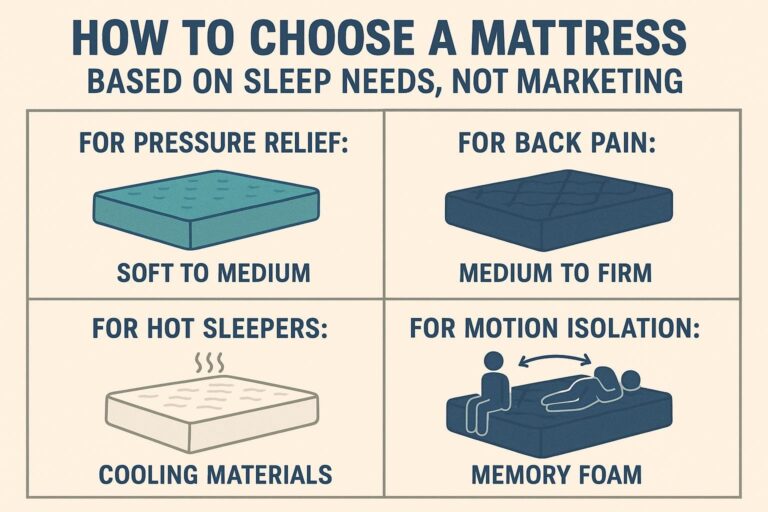
A person's sleep position affects mattress choice significantly. The three common positions are back sleeping, side sleeping, and stomach sleeping. Each position applies pressure on different parts of the body and requires different mattress support.

  • Back Sleepers: They need medium-firm support to maintain a natural spinal curve. A mattress too soft may cause the lower back to sink. A mattress too firm can create pressure points.
  • Side Sleepers: They require a softer surface to relieve pressure on shoulders and hips. Firm mattresses can cause discomfort in these areas.
  • Stomach Sleepers: They often prefer firm mattresses to keep hips aligned with the spine and prevent sagging.

Understanding your dominant sleep position helps narrow down mattress firmness options that fit your body’s needs.

Body Weight and Mattress Firmness

Body weight changes pressure on the mattress surface. Lightweight sleepers may find firm mattresses uncomfortable because they do not compress enough, leading to pressure points. Heavier individuals often need firmer mattresses for proper support and durability.

  • Under 130 pounds (59 kg): Softer mattresses can work well as they provide contouring without excess sinkage.
  • 130 to 230 pounds (59 to 104 kg): Medium-firm mattresses tend to balance comfort and support.
  • Above 230 pounds (104 kg): Firmer, thicker mattresses generally prevent excessive compression and sagging.

Body weight influences not only comfort but also the lifespan of the mattress when matched with proper firmness.

Health Conditions and Mattress Choice

Different health conditions affect mattress needs. Pain, allergies, and circulation issues require specific mattress features.

  • Back or Joint Pain: Mattresses with adjustable firmness or zoned support may help maintain spinal alignment.
  • Allergies: Hypoallergenic mattress materials, such as latex or memory foam with antibacterial covers, reduce exposure to dust mites and allergens.
  • Circulation Problems: Mattresses that promote even weight distribution help prevent pressure buildup, improving blood flow during sleep.

Understanding these conditions can clarify what mattress features matter most, irrespective of marketing emphasis on "miracle" benefits.

Material Types and Their Characteristics

Mattresses generally come in several material types: innerspring, memory foam, latex, and hybrids. Each material behaves differently under pressure and heat, and this impacts comfort and support.

  • Innerspring Mattresses: Use metal coils for support. They usually offer firm support and good breathability. Older homes in Toronto with humid summers may find innerspring mattresses cooler but less contouring.
  • Memory Foam Mattresses: Contour to body shape, reducing pressure points. They sometimes retain heat, which may not suit warmer climates or people prone to night sweats.
  • Latex Mattresses: Offer responsiveness and natural materials. Latex is often cooler than memory foam and resists allergens, which some Ontario residents prefer.
  • Hybrid Mattresses: Combine innerspring coils with foam or latex layers. They aim to balance support with comfort but vary greatly by manufacturer.

Each type presents pros and cons. Choosing one requires aligning material properties with personal sleep preferences and environmental factors like humidity and temperature common in a region.

Mattress Size and Room Space Considerations

The size of a mattress influences sleep quality. People need enough space to move freely while sleeping. However, room size limits mattress options in many urban settings like Toronto or Ottawa, where bedrooms can be compact.

  • Twin and Twin XL: Suitable for single sleepers with limited room.
  • Full/Double: Offers more space but may be tight for couples.
  • Queen: Common for couples, balances size and cost.
  • King and California King: Provide maximum space but require large bedroom areas.

Choosing a mattress size based on actual room dimensions and sleeping habits avoids discomfort caused by cramped or oversized beds.

Durability and Lifespan Influenced by Usage Patterns

The mattress lifespan depends on quality, usage, and body weight. People who sleep alone and maintain regular sleep schedules may find mattresses last longer than those sharing beds or experiencing frequent movement during sleep.

Firmness and materials also influence how long a mattress maintains support. For example, softer foam layers compress faster with daily use. Heavier sleepers exert more force, accelerating wear.

Regular wear in larger Canadian cities can also involve humidity and temperature fluctuations that affect mattress materials differently. Latex tends to resist moisture better than foam in such climates.

Common Marketing Claims and What They Mask

Mattress advertisements often use phrases like “best sleep experience,” “orthopedic support,” or “temperature regulating.” These claims may not describe the actual benefits experienced by every user.

  • “Orthopedic” does not mean the mattress suits all back conditions.
  • “Temperature regulating” often depends on room and body temperature, not mattress alone.
  • “Best sleep experience” is highly subjective and varies by individual needs.

Marketing tends to highlight features that appeal broadly but do not guarantee personal comfort or improved sleep quality.

Why Testing Mattresses Matters

Many stores and online retailers allow limited mattress testing. Extended testing matters because initial comfort changes after a few nights as the body adapts and materials soften.

During the testing phase, people should focus on how the mattress supports spinal alignment in their preferred sleep position. Pressure points and heat retention become clearer after several hours, rather than minutes.

Regional Housing and Sleep Environment Factors

In regions like Southern Ontario, older houses may have uneven floors or less insulation. Such conditions affect mattress performance and longevity. For example:

  • Uneven floors can reduce mattress uniformity, causing sagging spots.
  • High humidity indoors encourages mold and dust mites, which influence hypoallergenic mattress choices.
  • Seasonal climate shifts affect mattress breathability and temperature control.

Climate adaptation is an important but often overlooked factor in mattress choice that marketing rarely addresses.

Summary of Key Considerations

To choose a mattress based on sleep needs rather than marketing:

  • Identify your main sleep position.
  • Match mattress firmness to your weight.
  • Consider health conditions affecting comfort and support.
  • Understand materials and their fit for your climate.
  • Measure available room space before selecting mattress size.
  • Recognize the limits of marketing claims.
  • Use testing time to evaluate true comfort.
  • Factor in household environmental conditions that affect mattress longevity.

Choosing a mattress is complex and personal. Prioritizing sleep needs over advertising can lead to better rest, health, and mattress satisfaction.

Additional Examples of Mattress Choices

  • A middle-aged side sleeper weighing 150 pounds in Toronto may prefer a medium-soft latex mattress to reduce shoulder pressure and accommodate humid summers.
  • An elderly back sleeper over 230 pounds in Ottawa might benefit from a firm hybrid mattress offering spinal support and breathability during cold winters.
  • A stomach sleeper living in a small urban apartment in Hamilton could choose a firm innerspring mattress sized queen for support and optimal room fit.

These examples illustrate how personal and regional factors combine to shape mattress suitability.

Pros and Cons of Popular Mattress Types

| Mattress Type | Pros | Cons |
|-----------------|--------------------------------

Introduction

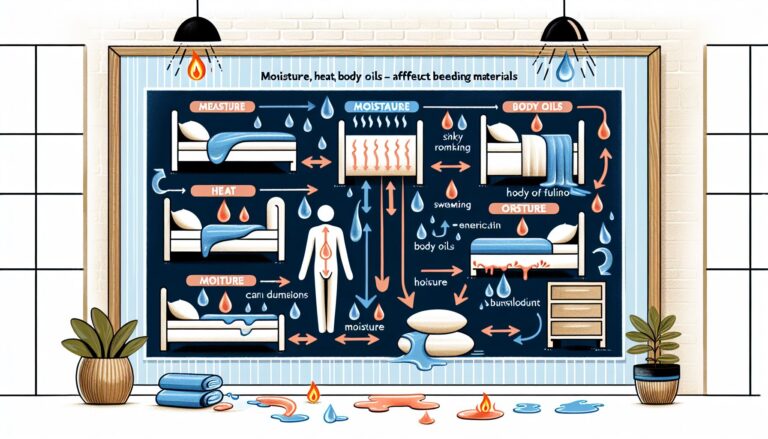
Bedding materials are subject to various factors that can affect their longevity, comfort, and healthiness. Among these factors, moisture, heat, and body oils stand out as significant influencers.

Effects of Moisture on Bedding Materials

Moisture is a common culprit affecting bedding materials. High humidity levels or direct contact with liquids can deteriorate bedding materials, causing them to sag or lose their shape.

Moisture can create a conducive environment for the growth of bacteria, mold, and mildew. This may lead to potential health risks such as allergies and respiratory difficulties.

Moreover, moisture can cause the fabric to feel damp and uncomfortable. Reports from the region indicate individuals residing in humid climates may experience this effect more frequently.

Impact of Heat on Bedding Materials

Heat, especially when linked to body heat, can significantly affect bedding materials. When the bedding absorbs heat, it can cause discomfort to the sleeper, leading to restless sleep or insomnia.

High heat can also break down certain bedding materials, especially memory foam. Furthermore, excessive heat can contribute to the proliferation of bed bugs and dust mites, prevalent in the region. These pests thrive in warm environments, leading to infestations that can cause skin irritations and allergies.

Role of Body Oils in Deteriorating Bedding Materials

Body oils, sweat, and other bodily fluids can have a considerable impact on bedding materials. These oils can seep into the layers of the bedding, causing stain, odor and even affect the material's loft and responsiveness.

Body oils can also attract bugs. Bed bugs and dust mites feed off the dead skin cells that body oils carry, leading to an increase in their population in your bed.

Additionally, body oils can lead to the growth of bacteria and fungus on your bedding. Long-term exposure to these microbes can be harmful, leading to infections and diseases.

Mitigating the Impact of Moisture, Heat, and Body Oils

Ways to limit the impacts of these factors include using mattress protectors, routinely washing linens, and ventilating the bedroom. Observations from the region show using breathable materials for bedding, like cotton or bamboo, can also keep moisture and heat under control.

While many people in the area tend to ignore these factors, their effects on bedding materials should not be understated. These factors can lead to a decrease in the life of the bedding materials and cause potential health risks.

Conclusion

In the region, it's critical to understand the effects of moisture, heat, and body oils on bedding materials. They can degrade the materials, foster an ideal environment for microbes and pests, and even create potential health hazards. By following guidelines to mitigate these effects, it’s possible to keep bedding materials in good condition, thus ensuring a comfortable and healthy sleep environment.

Understanding the Need for Proper Storage

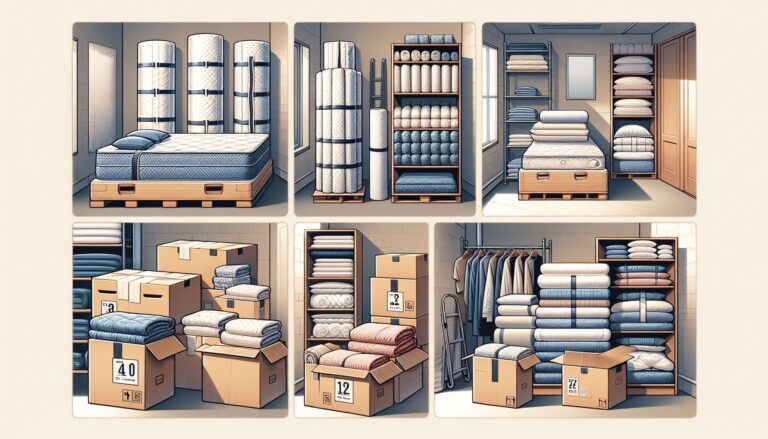
During moves or renovations, it becomes essential to store mattresses and bedding carefully. The reasons range from the need to protect them from dust and damage during renovations to preventing them from being in the way during a move. Proper storage ensures that these items remain in the best condition, giving them a longer lifespan.

Steps to Store Mattresses and Bedding Correctly

Clean Before Storing

Keeping mattresses and bedding clean before storing them is crucial. This involves washing all bedding, including sheets, pillowcases, and comforters. Following the manufacturer's instructions is necessary to prevent damage. Once washed, these items need to be completely dry before storing to avoid the growth of mold and mildew.

As for the mattress itself, it involves a more extensive cleaning process. Usually, vacuuming the mattress, treating any stains, deodorizing it, and letting it air dry can leave it ready for storage.

Protecting the Items

Choosing the right materials to protect mattresses and bedding while in storage is crucial. Often, plastic covers are used for mattresses to keep them from dirt, dust, and moisture. Also, these covers tend to be robust enough to protect them from tears while being moved.

Bedding can be stored in appropriate containers that provide both protection and ventilation. Plastic containers or vacuum-sealed bags can serve the purpose. While looking at these containers, ensuring they are clean, dry, and free from any pests is also essential.

Look for Climate-Controlled Storage

It's often a good idea to look for climate-controlled storage for mattresses and bedding. These environments can protect items from drastic temperature changes, high humidity, and pests common in certain geographical regions. This is especially important if the items will be stored for a long period.

Handling Common Misconceptions

People often overlook mattress and bedding storage during moves or renovations. A common misconception is that mattresses and bedding, especially when not in use, don't require special attention. However, it's important to understand that improper storage can lead to damage, mold growth, infestations, and the shortening of the lifespan of these items. Therefore, spending time and effort on proper storage is a valuable investment.

Constraints and Limitations in Mattress and Bedding Storage

There are constraints and limitations to mattress and bedding storage. One challenge is obtaining the right storage materials and space. It can be tough finding the perfect sized containers or bags for bedding, and the same applies to mattress covers.

The issue of space becomes a major hurdle especially during renovations when every inch of available space might already be in use. As for climate-controlled storage, cost can be a barrier. Despite these challenges, the importance of proper storage remains.

In conclusion, proper storage of mattresses and bedding contributes significantly to their longevity and condition. With a little bit of effort, proper care and storage can save you a lot of hassle and money in the long run, especially during moves and renovations.

Mattress rotation plays an essential role in maintaining comfort and prolonging the lifespan of your mattress. Consistent rotation helps to evenly distribute wear, sustains a level surface, and prevents the creation of body impressions, enhancing the overall quality of your sleep. However, there comes a point when rotating your mattress stops offering these benefits.

Understanding the Importance of Mattress Rotation

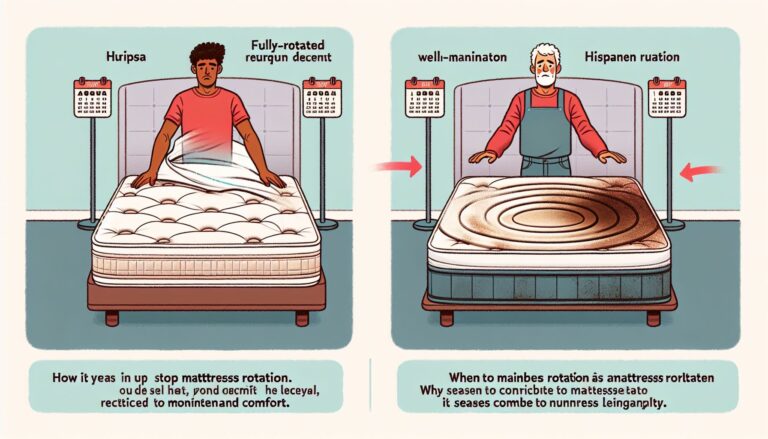
Rotating your mattress involves turning it 180 degrees, so the portion that was at the head of your bed now rests at the foot. This action aims to distribute the pressure exerted on the mattress when you use it.

Over time, lying in the same position each night can cause a mattress to sag or create body impressions, which can affect the comfort and support of the mattress. By rotating it regularly, you ensure that the entire mattress surface is used evenly, preventing such issues. Not only does this maximize the comfort and durability of your mattress, but it also allows for better sleep quality due to the maintained even surface.

The Regularity of Mattress Rotation

Rotating a mattress every three to six months can significantly enhance its lifespan. Environmental factors play a part in the regularity of rotation. For instance, the need for rotation might be frequent in regions with high temperatures, as the heat might cause the mattress materials to lose their shape and support more quickly. According to field observations, structural factors such as the number of people using the mattress and the weight of individuals also influence the regularity of rotation.

When Mattress Rotation Stops Helping

Though mattress rotation helps prolong its lifespan and maintain comfort, it is not a permanent solution for all mattress-related issues. After years of usage, a mattress eventually reaches a point where it might have irreversible wear and tear, and rotating it no longer helps. Mattresses typically have a lifespan between 7 to 10 years. After this period, common issues like sagging or the formation of body impressions become persistent despite regular rotation.

In some instances, depending on the quality and type of mattress, signs of persistent sagging or discomfort may appear earlier. When a mattress shows signs of sagging or other structural problems, rotation will not rectify these issues. At this point, it's probably time to consider replacing your mattress.

Common Misconceptions Around Mattress Rotation

Some people believe that flipping the mattress - changing the side that you sleep upon - provides the same benefits as rotation. However, this is not always true. Many mattresses are not meant to be flipped. These are usually one-sided or 'no-turn' mattresses built with specific layers constructed in a particular order for optimum comfort. Flipping these mattresses can damage their design and overall comfort level.

Conclusion

While mattress rotation offers numerous benefits such as even wear distribution, sustained comfort levels, and increased lifespan, it is not a permanent solution. Once a mattress reaches a certain age or exhibits irreversible signs such as persistent sagging, rotation will not help. In such cases, replacing the mattress might be the best course of action. Understanding the role of rotation and recognizing when it stops helping can greatly contribute to extending your mattress's lifespan and ensuring a good night's sleep.

Introduction

Human bedding, specifically sheets, duvets, and pillows, degrade over time. This degradation is slow and usually unnoticed until the obvious signs begin to appear. This article explores the process and factors contributing to the degradation of bedding materials, providing valuable information for homeowners aiming to prolong the lifespan of their bedding.

Factors leading to Bedding Degradation

Use and Washing

Sheets, duvets, and pillows frequently come into contact with our skin. Dead skin cells, body oils, and sweat can accumulate on these items, leading to stains and odors. This situation necessitates regular washing, which, over time, wears down the fabric, creating thin spots, fading colors, and causing other forms of physical damage.

Pests

Home pests such as bed bugs, mites, and other microorganisms can also negatively impact bedding materials. They can burrow into the fabric, leading to tiny holes that gradually grow larger, significantly reducing the longevity of your bedding.

Environmental Factors

Exposure to sunlight can also affect the color and integrity of fabrics, leading to fading and weakening. Dampness, such as in humid conditions, can cause mold and mildew growth, leading to discoloration, unpleasant odors, and fabric breakdown.

The Degradation Process

Sheets

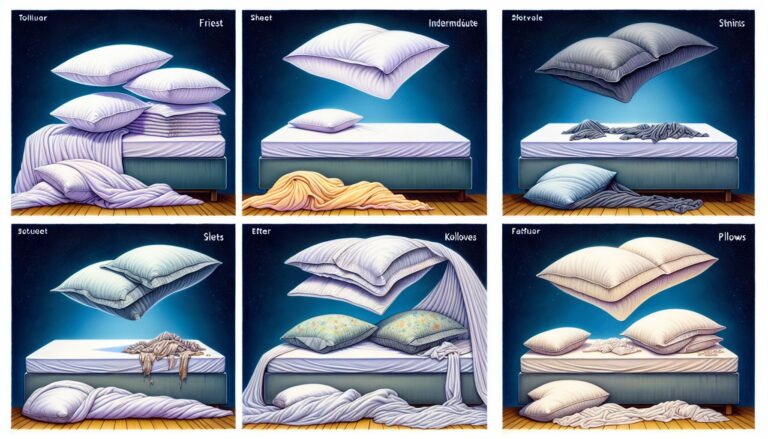
Sheets typically serve as the first line of defense for your bedding, coming into direct contact with your body. They degrade from repeated washing and drying, friction from body movement during sleep, and exposure to body oils and perspiration. Degraded sheets may show signs of thinning, pilling, fading colors, and tear more easily.

Duvets

Duvets may not require as much washing as sheets, but they still degrade over time. Prolonged body heat can deteriorate the duvet fill, causing it to become flat and less insulating. Washing a duvet can also cause the fill material to clump together, affecting its distribution and overall comfort.

Pillows

Pillows suffer similar degradation to duvets, losing their volume and fluffiness over time. Body oils and perspiration affect both the pillow casing and the stuffing material, leading to discoloration and a potential buildup of allergens such as dust mites. Washing pillows, especially foam-filled ones, can make them less supportive and more likely to develop clumps.

Steps to Prolong Bedding Life

Despite the inevitability of bedding degradation, there are measures you can take to prolong their life. These include:
- Regular cleaning, following the manufacturer's instructions to minimize damage.
- Immediate treatment of spills and stains to prevent permanent discoloration.
- Alternating sets of sheets to give each set a break and reduce wear and tear.
- Limiting direct exposure to sunlight and using dehumidifiers in damp conditions.
- Using pillow and mattress protectors that can guard against stains and pest infestation.

In summary, the degradation of sheets, duvets, and pillows is inevitable due to daily wear and tear, regular washing, and environmental factors. Understanding this process and the measures to slow it down can help extend the lifespan of these items, saving you replacement costs and ensuring a comfortable night's sleep.

When a mattress ages, numerous changes occur internally that affect its functionality and comfort. Above all, the material composition of the mattress suffers from constant use. Understanding these changes can help us maintain better sleep health and replace our mattresses when necessary.

Materials Inside the Mattress

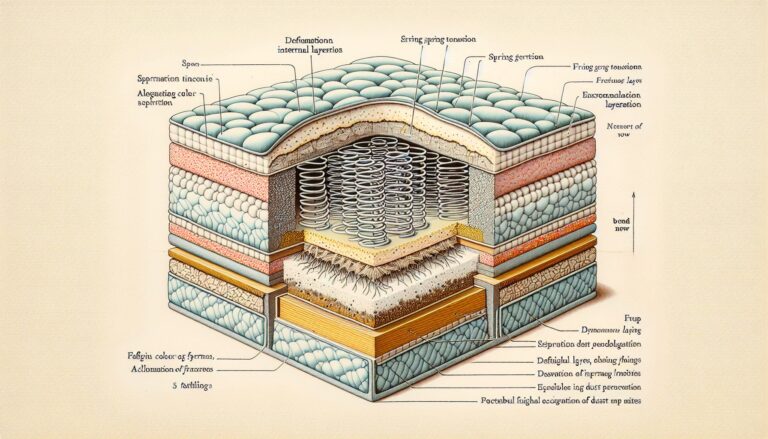
Mattresses have various materials and layers that combine to provide support and comfort. Most common mattresses contain a supportive core layer made of springs, foam, or air-filled chambers. On top of this is the comfort layer, often made from memory foam, latex, or other soft materials. Finally, a protective cover encases all these layers.

As the mattress ages, each of these components experiences a decline in its properties.

Core Layer Degradation

The degradation of the core layer is one primary aging issue in mattresses. In spring mattresses, the springs become less responsive over time and may lose their ability to spring back to their original shape, leading to a loss in support. In foam or latex mattresses, constant weight can cause the foam to seep, lose its elasticity, and thus its capacity to support the body's natural curves. Air-filled mattresses have chambers of air that can slowly leak over time, affecting the overall firmness.

Comfort Layer Wear and Tear

Comfort layer aging is another common issue in older mattresses. This layer can degrade faster, especially since it's in direct contact with the sleeper. The constant weight and motion can lead to depressions and lumps, reducing the overall comfort and consequently disturbing the quality of sleep. Moreover, with materials like memory foam, temperature regulation properties can be affected, leading to increased heat retention in the mattress over time.

Cover Aging

The outer cover of a mattress also gets affected. It can wear out, become thin, or get stained due to constant use and natural body factors like sweat, oils, and skin cells.

Impact Outside: Sleep Quality Concerns

The internal aging of mattresses has important external consequences, primarily impacting sleep quality. Uneven surfaces and lack of support can lead to back, neck, or hip pain. Inadequate temperature regulation can cause discomfort and interrupted sleep. Bacteria and allergens can accumulate in an old mattress, leading to health issues for the sleeper.

Consequences Beyond Sleep: Environmental Impact

An aged mattress can also pose environmental challenges. An old mattress often ends up in a landfill, adding to environmental waste and pollution. Some materials used in mattresses aren't biodegradable, which only amplifies this issue.

Legal and Ethical Concerns

Disposing of old mattresses responsibly has become a pertinent question in many regions. Several local governments have regulations around mattress disposal, advocating recycling instead. Thus, understanding the life cycle of mattresses and their aging process can help in better planning for their responsible disposal.

Conclusion: End of the Road for Old Mattresses

To sum up, as a mattress ages, its internal structure, from the core, comfort layer, to the external cover, becomes compromised due to continuous use. These changes can disturb sleep pattern, comfort, and overall well-being. Recognizing the signs of an aging mattress can help in making informed decisions on when to replace it. Meanwhile, considering the environmental impact, legal, and ethical considerations can help in planning for its proper disposal as it reaches its end of lifetime.

Bed bugs are a widespread household issue around the world. Their resilience and small size make them a pest that is difficult to eradicate. One common misconception is the belief that replacing a mattress will resolve a bed bug infestation. Unfortunately, this is far from the truth. This article will explain why such an approach fails and what complexities surround bed bug behavior, making complete eradication a challenging task.

Understanding Bed Bugs

Bed bugs are tiny, oval-shaped insects that feed on the blood of humans and other animals. They are nocturnal creatures, meaning they are most active at night. Bed bugs do not live on their hosts like lice or ticks. Instead, they feed on their host and retreat to their hiding areas. This behavior helps them avoid detection and contributes to their survival.

Why Replacing a Mattress Fails?

Bed bug infestations do not limit themselves to the mattress. They can be found anywhere around a sleeping area. They often hide in box springs, bed frames, headboards, nightstands, or even in nearby furniture, cracks in the wall or carpet. Simply purchasing a new mattress does not deal with the bugs that have taken refuge in these areas.

Another factor that contributes to the failure of this approach is how quickly bed bugs breed. A single female bed bug can lay hundreds of eggs in her lifetime, meaning a few overlooked bugs can rapidly reinfest a new mattress. They reproduce and mature quickly under suitable conditions making it easy to re-establish a population.

Misconceptions and Errors

The belief that bed bugs only infest dirty or cluttered homes is incorrect. Cleanliness is not a deterrent for these pests, and they can infest even the cleanest of homes given an opportunity. Since they feed on blood, their primary requirement is a host, not dirt or clutter. Also, they can move quickly across walls, ceilings, and floors, aiding their spread throughout a home.

Bed Bug Control

A comprehensive approach must be adopted to effectively tackle a bed bug infestation. Merely discarding a mattress will not address the problem entirely. Professional pest control services generally use a combination of chemical and non-chemical treatments for bed bug control. This includes heat treatments, cold treatments, steaming, and pesticides.

It is also crucial to properly dispose of the infested mattress to avoid contributing to the spread of bed bugs. Wrapping the mattress in plastic before discarding can prevent bugs from escaping and affecting other areas or properties.

The Specifics of Bed Bug Problems in Urban Homes

In an urban environment like a city or region with dense housing, the issue of bed bugs can be more prevalent due to the close proximity of residences. This closeness allows bed bugs to spread from one home to another, especially in apartments or shared housing facilities. Additionally, the heavy influx and movement of people can also contribute to their spread.

Conclusion

Understanding the biology and behavior of bed bugs is essential to effectively managing an infestation. The notion that replacing a mattress can solve the issue is regrettably a common misunderstanding. Bed bugs are adaptive and prolific breeders, making their complete eradication challenging. A comprehensive and professional approach is necessitated to deal with these pests effectively. Being educated about bed bugs can help residents to handle a bed bug infestation more effectively and prevent their spread.