Introduction
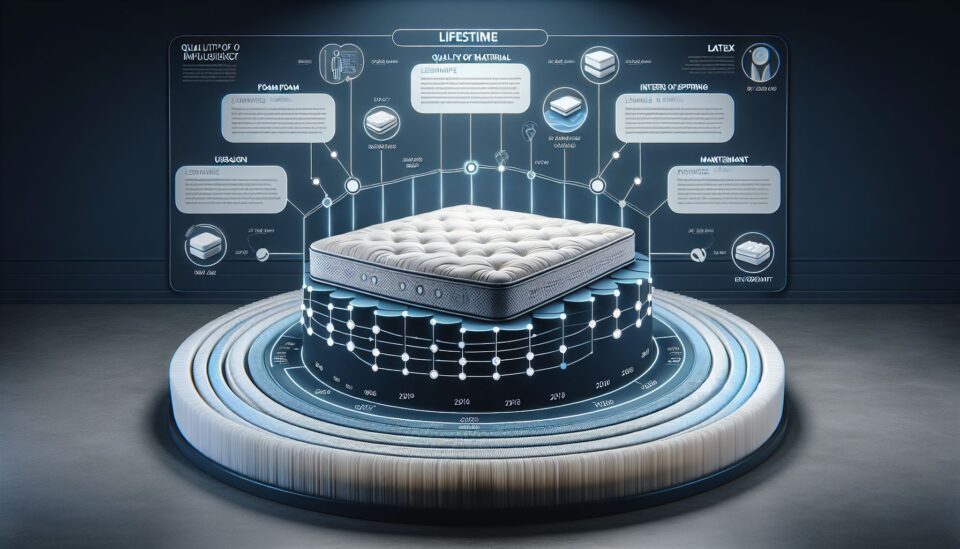
Sleep is essential for maintaining optimum health, and the quality of sleep significantly depends on the type of mattress you own. However, it's often unclear how long a mattress should last, due to varying lifespan expectancy. This ambiguity stems from factors like the type of mattress, its usage, and how you maintain it.
Lifespan of Different Types of Mattresses
Innerspring Mattresses
An innerspring mattress generally lasts for 7-8 years. It uses steel coils for support that over time may wear down, causing the mattress to sag and lose comfort.
Memory Foam Mattresses
Memory foam mattresses are more durable, usually lasting about 7-10 years. They conform to your body shape, providing comfort. However, they might lose their shape-holding abilities over time due to continuous usage.
Latex Mattresses
Latex mattresses have a longer lifespan, often lasting for 12-15 years. They are more rebounding; hence, they do not compress or sag easily. Yet, low-quality latex can degrade sooner.
Other Factors Affecting Mattress Lifespan
Usage
The frequency of usage significantly affects the lifespan of a mattress. The more hours you spend on it, the faster its structural integrity deteriorates.
Maintenance
Regular cleaning, flipping (for those that require it), and using a mattress protector can ultimately extend the lifespan of a mattress.
Quality
High-quality mattresses generally last longer. They use better materials which wear out at a slower pace than cheaper counterparts. However, even a high-quality mattress will deteriorate over time.
Signs That Indicate It's Time to Replace Your Mattress
Even though there’s a general guidance on mattress lifespans, actual signs of wear and tear should also guide your decision to replace your mattress.
Reduced Comfort
The most straightforward sign of a need for replacement is a decrease in comfort. If you find it harder to sleep or wake up feeling unrested, your mattress may be past its prime.
Visible Sagging
If there is noticeable sagging or indents in the mattress where you sleep, this indicates that the mattress is losing its support and needs replacement.
Allergy Symptoms
Old mattresses can accumulate allergens which can trigger allergy symptoms. If you notice an increase in allergic reactions, it might be time to get a new mattress.
Consequences of Using an Old Mattress
Continued use of an old mattress can lead to negative health consequences. It can lead to inadequate sleep, which in turn may lead to fatigue, mood swings, and a decline in overall health. Furthermore, an unsupportive mattress can exacerbate back or joint pain.
Conclusion
The lifespan of a mattress depends on a variety of factors. Recognizing these factors and the signs of an old mattress is an important step in ensuring good sleep and maintaining overall health. It is important to note, that beyond the generally stated lifespan, your level of comfort should be the ultimate guide in deciding when to replace your mattress.